
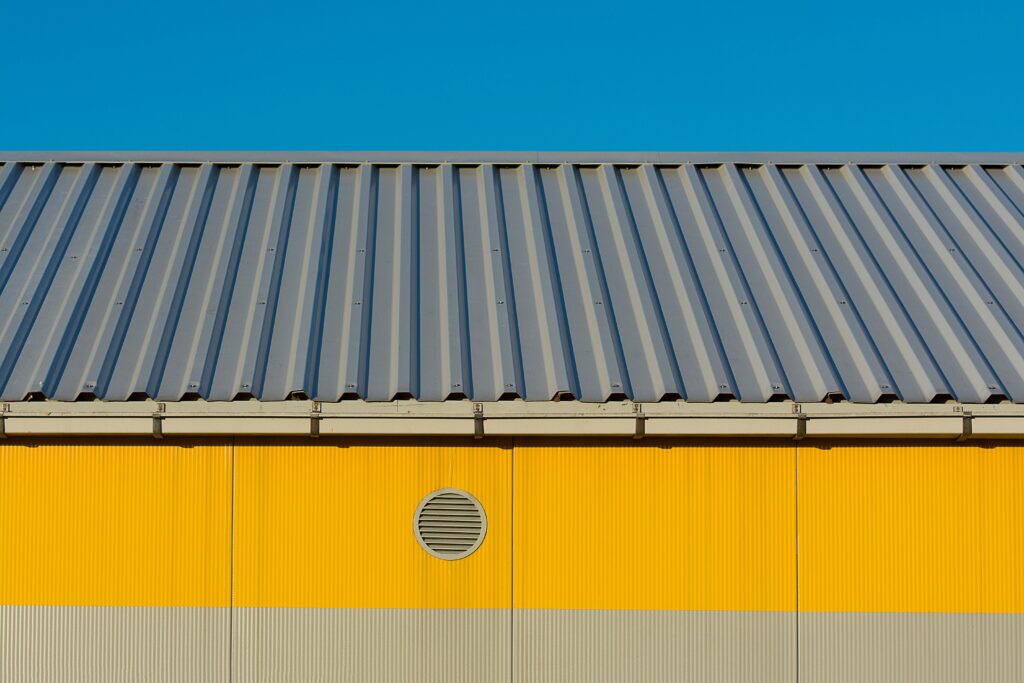
What maintenance helps protect a metal roof?
Regular inspections, prompt repairs, clean drainage, and removal of debris help protect a metal roof. A practical schedule is to inspect the roof about twice a year, ideally in spring and fall, and after severe weather. Check for dents, scratches, loose fasteners or panels, sealant issues, corrosion, and blocked gutters or valleys.
Inspect the metal roof twice a year
Spring and fall inspections create a regular opportunity to identify changes. The most useful way to approach this question is to separate the general guideline from the condition of the individual roof. Roofing materials have expected service ranges, but those ranges are not automatic expiration dates. Installation quality, ventilation, drainage, maintenance, weather exposure, and previous repairs all influence what a homeowner may actually experience. The core answer is therefore a starting point for planning, not a substitute for looking at the complete roof system. A clear evaluation should identify the material involved, its current condition, and whether any problems are isolated or widespread.
Keep drainage paths and roof surfaces clear
Leaves, branches, dirt, and blocked gutters can hold moisture and interfere with drainage. For homeowners in Southwest Florida, local heat, humidity, wind, rain, and storm exposure make condition-based evaluations especially important. A roof can look acceptable from the ground while flashing, fasteners, underlayment, decking, or penetrations show concerns that deserve attention. That is why age or square footage alone should not be the only basis for a decision. Visible roofing materials are only one part of the assembly. Underlayment, flashing, ventilation, penetrations, fasteners, decking, and drainage must work together. A weakness in one area can shorten the useful life of the surrounding system even when much of the roof still appears sound.
Address fasteners, sealants, and surface damage
Loose components, damaged coatings, scratches, and failed sealants should be corrected before they worsen. Homeowners should note changes rather than waiting for a major leak. After severe weather, look from the ground for displaced materials, debris, uneven areas, or damaged edges, and check ceilings and attic spaces for moisture. Avoid climbing onto the roof because roofing surfaces can be slippery and foot traffic can create additional damage.
Use safe professional maintenance practices
Metal roofs can be slippery and improper foot traffic can damage panels, so professional inspection is often appropriate. A qualified roofing company can document current conditions, explain whether maintenance or repair is reasonable, and identify circumstances that may make replacement the better long-term option. In Southwest Florida, planning ahead also gives homeowners time to compare appropriate materials and coordinate the work before an urgent problem develops.
Homeowners should also distinguish routine appearance changes from functional problems. Surface discoloration or minor cosmetic variation may not have the same significance as displaced materials, open seams, failed flashing, active moisture, or a sagging roofline. When the meaning of a visible change is uncertain, an inspection is safer than guessing from the ground.
FAQ
Should roof age alone determine replacement?
No. Age is an important planning factor, but visible condition, leaks, material type, installation, maintenance history, and inspection findings should guide the final decision.
Can one damaged area be repaired instead?
Sometimes. A localized problem may be repairable when the surrounding roof remains sound. Widespread deterioration, recurring leaks, or system-wide aging may make replacement more practical.
How often should a roof be inspected?
A recurring inspection schedule and additional checks after severe weather can help identify damage early. The appropriate interval depends on material, age, exposure, and previous concerns.
What should a professional inspection include?
The review should consider surface materials, flashing, penetrations, drainage, ventilation, visible decking, interior moisture signs, and any area connected to the reported concern.
What maintenance helps protect a metal roof?
Regular inspections, prompt repairs, clean drainage, and removal of debris help protect a metal roof. A practical schedule is to inspect the roof about twice a year, ideally in spring and fall, and after severe weather. Check for dents, scratches, loose fasteners or panels, sealant issues, corrosion, and blocked gutters or valleys.
Conclusion
Regular inspections, prompt repairs, clean drainage, and removal of debris help protect a metal roof. A practical schedule is to inspect the roof about twice a year, ideally in spring and fall, and after severe weather. Check for dents, scratches, loose fasteners or panels, sealant issues, corrosion, and blocked gutters or valleys. The best decision comes from combining the general guideline with the roof’s actual condition and the needs of the property.
